
The 12 emerging neighbourhoods in Mumbai MMR for property investors offer lower entry prices, strong rental demand, and high growth potential. These areas benefit from new metro lines, highways, and the upcoming airport, making them ideal for investors seeking better rental yields and long-term returns in 2026.
Mumbai property investment can feel confusing. Prices are high, options are endless, and picking the wrong area can lock your money for years. Many investors worry about overpaying or missing the next big growth zone. That’s a valid concern. The good news is that smart opportunities still exist across Mumbai MMR—if you know where to look. This guide breaks down the most promising emerging neighbourhoods with clear data, simple insights, and real-world investor logic. Let’s explore the areas that can deliver both rental income and future appreciation.
| Area | Avg Rent (₹/Month) | Rental Yield | Best For | Investment Budget |
|---|---|---|---|---|
| Kharghar | 25,000 | 3.8% | Long-term growth | ₹60–90L |
| Panvel | 22,000 | 4.2% | Airport-driven growth | ₹55–85L |
| Ulwe | 20,000 | 4.5% | Rental + appreciation | ₹50–80L |
| Dombivli East | 18,000 | 4.8% | Affordable rental | ₹45–70L |
| Mira Road East | 24,000 | 4.0% | End-users & tenants | ₹65–95L |
| Vasai East | 17,000 | 4.6% | Budget investors | ₹40–65L |
| Virar West | 19,000 | 4.3% | Long-term rental | ₹45–70L |
| Chembur East | 32,000 | 3.5% | Premium tenants | ₹1.2–1.8Cr |
| Mulund West | 35,000 | 3.4% | Stable ROI | ₹1.3–2Cr |
| Ghodbunder Road | 28,000 | 3.9% | Connectivity-driven | ₹90L–1.4Cr |
| Taloja | 16,000 | 4.9% | Entry-level investors | ₹35–60L |
| Badlapur | 15,000 | 5.1% | High yield | ₹30–55L |
1. Kharghar

Quick Stats
Average Rent: ₹25,000 per month
Rental Yield: 3.8%
Tenant Demand: High
Ideal For: Long-term investors
Investment Type: Residential apartments
Kharghar is one of the most well-planned emerging nodes in Navi Mumbai. It attracts working professionals, families, and students due to its strong social infrastructure. The area benefits from wide roads, open spaces, reputed schools, hospitals, and malls. Connectivity has improved steadily with the suburban railway, upcoming metro corridors, and direct access to major highways.
Property prices in Kharghar are still reasonable compared to Vashi or Nerul, which makes it attractive for early-stage investors. Rental demand stays consistent because of nearby business parks and educational institutions. As infrastructure projects like the Navi Mumbai International Airport progress, capital values are expected to rise steadily. Investors looking for stable rental income with moderate appreciation often shortlist Kharghar as a low-risk option.
Pros:
- Planned development and greenery
- Strong rental demand
- Good future appreciation
Cons:
- Peak-hour traffic
- Slower returns than ultra-premium areas
2. Panvel
Quick Stats
Average Rent: ₹22,000 per month
Rental Yield: 4.2%
Tenant Demand: Growing
Ideal For: Growth-focused investors
Investment Type: Residential apartments
Panvel has transformed from a distant suburb into a major real estate growth hub. Its biggest advantage is connectivity. The area links Mumbai, Navi Mumbai, and Pune through highways and railway lines. The upcoming Navi Mumbai International Airport is a key driver pushing both demand and prices upward. You can track infrastructure updates via the City and Industrial Development Corporation at https://cidco.maharashtra.gov.in.
Panvel offers a mix of affordable and mid-range housing, making it suitable for investors with moderate budgets. Rental demand is rising due to logistics parks, warehouses, and new commercial developments. Compared to many western suburbs, Panvel still allows entry at lower price points with higher growth potential. For investors willing to hold for five to seven years, Panvel offers strong appreciation prospects backed by infrastructure-led development.
Pros:
- Airport-driven growth
- Excellent highway and rail connectivity
- Affordable entry pricing
Cons:
- Infrastructure still developing
- Longer commute to South Mumbai
3. Ulwe
Quick Stats
Average Rent: ₹20,000 per month
Rental Yield: 4.5%
Tenant Demand: High
Ideal For: Rental plus appreciation
Investment Type: Residential apartments
Ulwe is often described as one of the fastest-growing micro-markets in Mumbai MMR. Its proximity to the upcoming airport and the Mumbai Trans Harbour Link has significantly improved investor confidence. Rental demand has increased due to professionals working in Navi Mumbai and nearby industrial belts.
The area offers modern housing projects at prices lower than established Navi Mumbai nodes. Investors benefit from better rental yields compared to central suburbs. As infrastructure completes, Ulwe is expected to see a sharp rise in capital values. Government-backed infrastructure updates can be followed on https://morth.nic.in for road connectivity projects.
Pros:
- High rental yield
- Strong future appreciation
- Modern residential supply
Cons:
- Limited social infrastructure currently
- Short-term price volatility
4. Dombivli East
Quick Stats
Average Rent: ₹18,000 per month
Rental Yield: 4.8%
Tenant Demand: Very High
Ideal For: Affordable rental income
Investment Type: Budget apartments
Dombivli East remains a favorite among budget-conscious investors. The area has a massive tenant base consisting of working professionals and small families. Improved railway frequency and road upgrades have made daily commuting easier. Housing prices remain affordable compared to Thane or Mulund.
Rental yields are among the highest in Mumbai MMR due to strong demand and lower acquisition costs. While appreciation is slower, steady rental income compensates for it. Dombivli East is suitable for investors prioritizing cash flow over luxury positioning.
Pros:
- High rental demand
- Affordable property prices
- Strong local market
Cons:
- Overcrowding
- Limited premium projects
5. Mira Road East
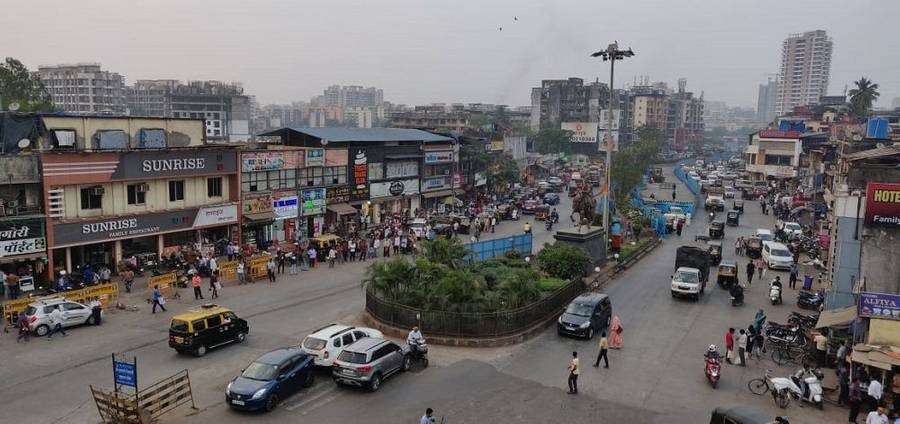
Quick Stats
Average Rent: ₹24,000 per month
Rental Yield: 4.0%
Tenant Demand: High
Ideal For: End-users and investors
Investment Type: Mid-range apartments
Mira Road East benefits from metro expansion and road upgrades under Mumbai’s suburban development plans, details of which are available at https://mmrda.maharashtra.gov.in. The area offers balanced growth with good schools, hospitals, and malls.
Rental demand comes from professionals working in western suburbs. Prices are still lower than Borivali, making it attractive for both self-use and investment. Mira Road East provides steady appreciation with stable rental income.
Pros:
- Metro connectivity
- Good social infrastructure
- Stable returns
Cons:
- Traffic congestion
- Moderate appreciation pace
6. Vasai East
Quick Stats
Average Rent: ₹17,000 per month
Rental Yield: 4.6%
Tenant Demand: Growing
Ideal For: Budget investors
Investment Type: Affordable housing
Vasai East is emerging as an affordable alternative to western suburbs. Industrial zones and small businesses generate consistent rental demand. Infrastructure is improving gradually, attracting long-term investors.
Pros:
- Low entry cost
- High rental yield
- Growing infrastructure
Cons:
- Distance from Mumbai core
- Limited premium developments
6. Vasai East
Quick Stats
Average Rent: ₹17,000 per month
Rental Yield: 4.6%
Tenant Demand: Moderate to High
Ideal For: Budget-focused investors
Investment Type: Affordable residential apartments
Vasai East is gaining attention as one of the most affordable emerging neighbourhoods in Mumbai MMR. It attracts tenants working in nearby industrial zones, small businesses, and logistics hubs. Property prices are significantly lower than western suburbs, making entry easier for first-time investors. Rental demand remains steady because many tenants prefer Vasai East for lower rents and improving connectivity.
Road infrastructure upgrades and railway connectivity are slowly improving daily commute options. While lifestyle amenities are still developing, basic facilities like schools, hospitals, and local markets are well established. Vasai East works best for investors who want consistent rental income rather than quick appreciation. Over the long term, gradual infrastructure development is expected to support moderate price growth.
Pros:
- Low property prices
- Strong rental yield
- Good demand from local workforce
Cons:
- Distance from Mumbai city
- Limited premium housing options
7. Virar West
Quick Stats
Average Rent: ₹19,000 per month
Rental Yield: 4.3%
Tenant Demand: High
Ideal For: Long-term rental investors
Investment Type: Mid-rise and high-rise apartments
Virar West has become popular due to large residential townships and better social infrastructure compared to Virar East. The area offers affordable homes with access to schools, shopping zones, and open spaces. Tenants include families and professionals working in nearby suburbs.
The suburban railway remains the main connectivity lifeline, keeping rental demand strong. While appreciation is slower compared to Navi Mumbai, Virar West offers predictable rental cash flow. Investors looking for low-risk, long-term holding often prefer this micro-market.
Pros:
- Affordable housing supply
- Strong tenant base
- Decent social infrastructure
Cons:
- Long commute time
- Slower capital appreciation
8. Chembur East
Quick Stats
Average Rent: ₹32,000 per month
Rental Yield: 3.5%
Tenant Demand: Very High
Ideal For: Premium rental investors
Investment Type: Redevelopment and mid-premium apartments
Chembur East is a strategically located residential hub with excellent road connectivity to BKC, South Mumbai, and Navi Mumbai. Redevelopment projects have upgraded the housing quality, attracting corporate tenants and higher-income professionals.
Rental demand stays strong due to proximity to commercial districts and industrial estates. Entry prices are higher, but risk is lower compared to emerging outskirts. Chembur East suits investors seeking stable tenants and capital preservation rather than aggressive yields.
Pros:
- Central connectivity
- Premium tenant profile
- Redevelopment-driven growth
Cons:
- High investment cost
- Lower rental yield
9. Mulund West
Quick Stats
Average Rent: ₹35,000 per month
Rental Yield: 3.4%
Tenant Demand: High
Ideal For: Conservative investors
Investment Type: Premium residential apartments
Mulund West is known for its excellent liveability and strong civic infrastructure. It attracts senior professionals and families looking for quality housing. The area benefits from proximity to business parks, highways, and metro connectivity.
While entry prices are high, vacancy risk is low. Rental appreciation is gradual but reliable. Mulund West is ideal for investors prioritising long-term stability and low volatility.
Pros:
- Premium locality
- Strong infrastructure
- Low vacancy risk
Cons:
- Expensive properties
- Limited upside growth
10. Ghodbunder Road
Quick Stats
Average Rent: ₹28,000 per month
Rental Yield: 3.9%
Tenant Demand: High
Ideal For: Connectivity-driven investment
Investment Type: Large residential complexes
Ghodbunder Road plays a crucial role in connecting Thane to western suburbs. This connectivity advantage has made it a high-demand rental corridor. IT professionals, logistics employees, and corporate staff form a strong tenant base.
Large housing complexes offer amenities that attract long-term tenants. Although traffic congestion remains a concern, ongoing infrastructure upgrades support gradual appreciation. Investors can expect balanced returns through rent and moderate price growth.
Pros:
- Strategic road connectivity
- Strong rental demand
- Large township projects
Cons:
- Traffic bottlenecks
- Infrastructure strain
11. Taloja
Quick Stats
Average Rent: ₹16,000 per month
Rental Yield: 4.9%
Tenant Demand: Growing
Ideal For: Entry-level investors
Investment Type: Affordable apartments
Taloja is one of the highest rental yield markets in Mumbai MMR. Its affordability attracts industrial workers and young professionals. The upcoming metro connectivity is expected to improve accessibility and investor sentiment.
Prices remain low, allowing investors to enter with minimal capital. While lifestyle amenities are limited, demand is driven by employment zones nearby. Taloja suits investors focused on yield generation with long-term upside.
Pros:
- Very high rental yield
- Low investment budget
- Metro-led growth potential
Cons:
- Early-stage development
- Limited lifestyle facilities
12. Badlapur
Quick Stats
Average Rent: ₹15,000 per month
Rental Yield: 5.1%
Tenant Demand: High
Ideal For: Yield-focused investors
Investment Type: Budget residential apartments
Badlapur is known for delivering the highest rental yields in Mumbai MMR. Affordable property prices and a large tenant base ensure steady occupancy. Most tenants are local professionals and families seeking low-cost housing.
Capital appreciation is slower, but rental income remains consistent. Badlapur works best for investors who want strong cash flow with minimal entry cost and are comfortable with longer holding periods.
Pros:
- Highest rental yield
- Very affordable entry
- Strong tenant demand
Cons:
- Far from Mumbai core
- Limited appreciation speed
Comparison
| Area | Avg Rent (₹) | Rental Yield | Price Level | Best For |
|---|---|---|---|---|
| Badlapur | 15,000 | 5.1% | Low | High yield |
| Taloja | 16,000 | 4.9% | Low | Entry investors |
| Panvel | 22,000 | 4.2% | Medium | Growth |
| Ulwe | 20,000 | 4.5% | Medium | Rental + growth |
| Chembur East | 32,000 | 3.5% | High | Stability |
Investment Advice
The 12 emerging neighbourhoods in Mumbai MMR for property investors suit different goals. First-time investors should focus on areas like Badlapur, Taloja, and Dombivli East due to low budgets and strong rental yields. Growth-oriented investors can consider Panvel, Ulwe, and Kharghar for long-term appreciation. Budgets can range from ₹30 lakh to ₹1.5 crore depending on location. Growth is driven by infrastructure, metro lines, and employment hubs. Key risks include project delays, oversupply, and long holding periods, so a minimum five-year horizon is recommended.
FAQs
- What are the 12 emerging neighbourhoods in Mumbai MMR for property investors?
These are developing suburbs offering better affordability, rental yield, and future growth compared to central Mumbai. - Which area gives the highest rental yield?
Badlapur and Taloja currently offer the highest rental yields. - Is Navi Mumbai better than western suburbs for investment?
Navi Mumbai offers higher growth potential, while western suburbs provide stability. - What is the minimum budget needed to invest?
Investors can start from around ₹30–40 lakh in areas like Badlapur or Taloja. - Are emerging areas risky?
They carry moderate risk but offer higher long-term rewards if held patiently. - Which areas are best for long-term appreciation?
Panvel, Ulwe, and Kharghar are strong long-term growth markets.
Final Summary
The 12 emerging neighbourhoods in Mumbai MMR for property investors present strong opportunities beyond saturated city areas. With the right budget, timeline, and location choice, investors can achieve stable rental income and solid long-term appreciation. Early entry into these developing markets remains the key to maximising returns.