
The 8 prime residential investment areas in Mumbai MMR you shouldn’t miss offer strong rental demand, steady returns, and long-term growth. From premium suburbs to emerging hubs, these locations balance rental yield, budget, and future appreciation—making them ideal for both new and experienced property investors .
Finding the right place to invest in Mumbai MMR can feel confusing. Prices are high, options are endless, and every area claims to be “the best.” Many investors worry about low rental returns, poor connectivity, or slow growth after buying. That frustration is common—and valid.
The good news is that smart residential investment in Mumbai MMR is still possible. You just need to focus on the right micro-markets. Some areas consistently attract tenants, while others benefit from new infrastructure and rising demand.
This article breaks down the 8 prime residential investment areas in Mumbai MMR you shouldn’t miss, using clear data and simple comparisons. You’ll see where rents are strongest, which budgets work best, and how each area fits different investment goals. Let’s walk through each location step by step with practical insights.
Quick Summary Box
| Area | Avg Rent (₹/Month) | Rental Yield | Best For | Investment Budget |
|---|---|---|---|---|
| Andheri West | 65,000 | 3–4% | Professionals, expats | 2–4 Cr |
| Powai | 60,000 | 3.5–4.5% | IT professionals | 1.8–3.5 Cr |
| Thane West | 40,000 | 4–5% | Families | 1–2.5 Cr |
| Navi Mumbai (Vashi) | 45,000 | 4–5.5% | Long-term investors | 1.2–2.5 Cr |
| Bandra East (BKC) | 90,000 | 3–4% | Luxury tenants | 3–6 Cr |
| Goregaon East | 50,000 | 4–5% | Mid-income buyers | 1.5–3 Cr |
| Mulund West | 42,000 | 4–5% | End-users | 1.3–2.5 Cr |
| Panvel | 28,000 | 5–6% | Budget investors | 60L–1.2 Cr |
Main List
1. Andheri West
Quick Stats
Average Rent: ₹65,000/month
Rental Yield: 3–4%
Tenant Demand: Very High
Ideal For: Professionals, expats
Investment Type: Premium residential
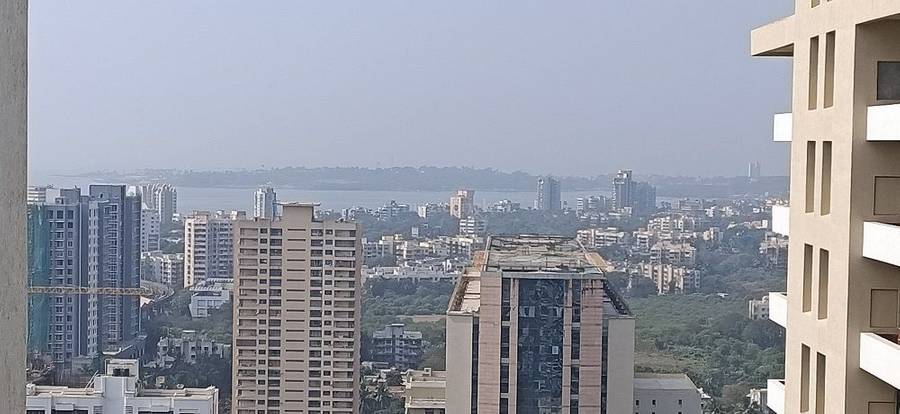
Andheri West is one of the most established residential investment areas in Mumbai MMR. Its biggest strength is location. The area sits close to major business hubs, the airport, metro lines, and entertainment zones. This creates year-round tenant demand from corporate professionals and high-income renters.
Rental vacancy is low, and rents increase steadily over time. Investors also benefit from strong resale value, as Andheri West remains a preferred address for end-users. Redevelopment projects add long-term upside by improving building quality and amenities.
From an investment point of view, Andheri West suits buyers who want stable rental income with low risk. Prices are high, but liquidity is excellent. Market data from firms like Knight Frank India shows Andheri consistently ranks high for residential demand and absorption, making it a reliable choice for long-term holding.
Pros
- Strong rental demand
- Excellent connectivity
- High resale value
Cons
- High entry price
- Limited new supply
2. Powai
Quick Stats
Average Rent: ₹60,000/month
Rental Yield: 3.5–4.5%
Tenant Demand: High
Ideal For: IT professionals, families
Investment Type: Mid-to-premium residential
Powai has transformed into a self-sustained residential and commercial hub. With major IT parks, business centers, and reputed schools nearby, it attracts salaried professionals who prefer long-term rentals. This results in steady income and lower tenant turnover.
The area offers a good mix of modern apartments, gated communities, and lifestyle amenities. Connectivity to both Eastern and Western suburbs improves its appeal. Rental yields here are slightly better than core western suburbs, while capital appreciation remains strong.
According to residential market insights from JLL India, Powai continues to benefit from infrastructure upgrades and corporate expansion. For investors seeking a balance of rental income and appreciation without entering ultra-luxury pricing, Powai is a smart and relatively safe bet.
Pros
- Consistent tenant demand
- Modern housing stock
- Balanced risk-return profile
Cons
- Traffic congestion
- Premium pricing in prime pockets
3. Thane West
Quick Stats
Average Rent: ₹40,000/month
Rental Yield: 4–5%
Tenant Demand: High
Ideal For: Families, long-term investors
Investment Type: Affordable to mid-segment
Thane West is often called an extension of Mumbai, offering better space at more affordable prices. Improved road networks, metro expansion, and social infrastructure have made it one of the fastest-growing residential markets in MMR.
Tenant demand comes largely from families and professionals working in Mumbai and Navi Mumbai. Rental yields are higher than central Mumbai, and capital values are still within reach for mid-budget investors. Integrated townships and gated communities add to its appeal.
Government-backed infrastructure planning and regulatory oversight under MahaRERA have improved buyer confidence in Thane. For investors focused on long-term growth with stable rental returns, Thane West offers strong fundamentals and lower entry risk.
Pros
- Higher rental yields
- Affordable entry price
- Strong future growth
Cons
- Longer commute for some areas
- Over-supply in certain pockets
4. Navi Mumbai (Vashi)
Quick Stats
Average Rent: ₹45,000/month
Rental Yield: 4–5.5%
Tenant Demand: Medium to High
Ideal For: Long-term investors
Investment Type: Planned residential
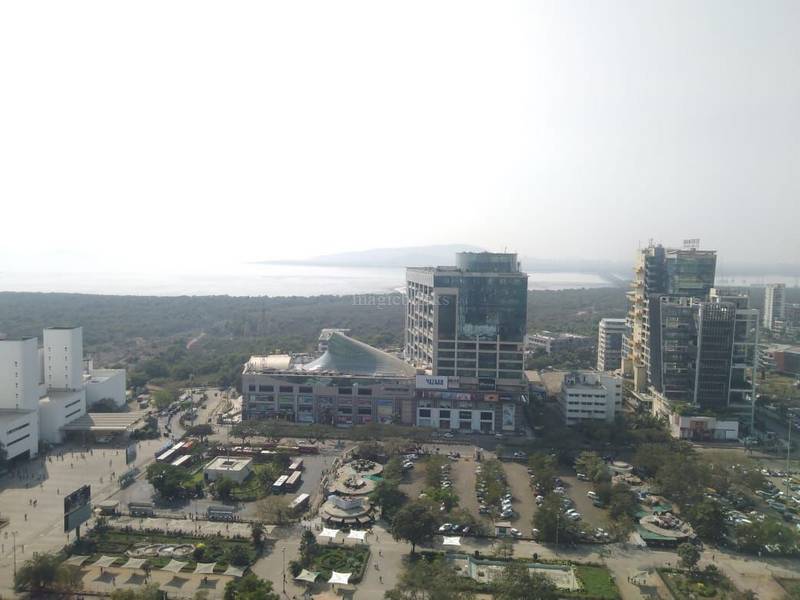
Vashi is one of the most well-planned nodes in Navi Mumbai. Wide roads, reliable infrastructure, and proximity to business districts make it attractive for both tenants and buyers. Rental demand is stable, especially from professionals working in IT and logistics.
With major projects like the upcoming airport influencing nearby regions, Vashi benefits from long-term appreciation potential. Prices remain lower than Mumbai suburbs, yet rental yields are competitive.
As per economic indicators shared by the Reserve Bank of India, planned urban regions with strong infrastructure often show consistent real estate performance. Vashi suits investors who want disciplined growth, decent rental income, and lower volatility.
Pros
- Planned infrastructure
- Good rental yield
- Lower congestion
Cons
- Slower price growth than core Mumbai
- Limited luxury options
5. Bandra East (BKC)
Quick Stats
Average Rent: ₹90,000/month
Rental Yield: 3–4%
Tenant Demand: Very High
Ideal For: Luxury investors
Investment Type: Premium residential
Bandra East, especially near BKC, is a top luxury residential investment zone. It attracts senior executives, expats, and corporate tenants who are willing to pay premium rents. Proximity to Mumbai’s largest business district keeps demand strong.
While rental yields are moderate due to high prices, absolute rental income is among the highest in MMR. Capital appreciation potential remains solid because land supply is limited and demand stays constant.
For investors with higher budgets, Bandra East offers prestige, liquidity, and long-term value. Market reports from CBRE India consistently highlight BKC as a key commercial and residential growth driver.
Pros
- Premium rental income
- Strong corporate demand
- Excellent resale value
Cons
- Very high entry cost
- Lower yield percentage
6. Goregaon East
Quick Stats
Average Rent: ₹50,000/month
Rental Yield: 4–5%
Tenant Demand: High
Ideal For: Mid-income investors
Investment Type: Mid-segment residential
Goregaon East benefits from its strategic location near business parks and highway connectivity. It attracts working professionals seeking shorter commutes and modern housing at relatively reasonable prices.
Rental demand is consistent, especially for 1 and 2 BHK units. The area also has ongoing redevelopment, which supports price appreciation. Compared to western counterparts, Goregaon East offers better affordability with similar rental prospects.
For investors aiming for a balance between budget and returns, this area provides dependable performance and manageable risk.
Pros
- Good rental yield
- Improving infrastructure
- Mid-range pricing
Cons
- Traffic during peak hours
- Noise in highway-facing zones
7. Mulund West
Quick Stats
Average Rent: ₹42,000/month
Rental Yield: 4–5%
Tenant Demand: Medium to High
Ideal For: End-users, conservative investors
Investment Type: Residential apartments
Mulund West is known for its clean environment and family-friendly appeal. It attracts long-term tenants who value stability, greenery, and good civic services. This reduces vacancy risk and tenant churn.
Connectivity to central business areas and upcoming transport upgrades support steady appreciation. While not a high-growth hotspot, Mulund West offers predictable returns and lower volatility.
This area is suitable for investors who prefer safety and consistency over aggressive growth.
Pros
- Stable tenant base
- Good quality of life
- Predictable returns
Cons
- Moderate appreciation
- Limited nightlife and commercial hubs
8. Panvel

Quick Stats
Average Rent: ₹28,000/month
Rental Yield: 5–6%
Tenant Demand: Growing
Ideal For: Budget investors
Investment Type: Affordable residential
Panvel is one of the fastest-emerging residential investment areas in Mumbai MMR. Affordable prices, improving connectivity, and future infrastructure projects are driving interest from both investors and end-users.
Rental yields are among the highest in MMR due to low acquisition cost. While current rents are modest, demand is rising as more people move toward affordable housing zones.
Panvel suits investors with limited budgets who can hold property long term and benefit from future growth.
Pros
- High rental yield
- Low entry cost
- Strong future potential
Cons
- Slower short-term appreciation
- Infrastructure still developing
Comparison
| Area | Avg Price Level | Rental Yield | Appreciation Potential | Risk Level |
|---|---|---|---|---|
| Andheri West | Very High | Medium | High | Low |
| Powai | High | Medium | High | Low |
| Thane West | Medium | High | High | Medium |
| Navi Mumbai (Vashi) | Medium | High | Medium | Low |
| Bandra East | Very High | Medium | High | Low |
| Goregaon East | Medium | High | Medium | Medium |
| Mulund West | Medium | Medium | Medium | Low |
| Panvel | Low | Very High | High | Medium |
Investment Advice
Residential property investment in Mumbai MMR suits investors who want stable income with long-term growth. Conservative investors should focus on established areas like Andheri West, Powai, and Mulund. Mid-budget buyers can target Thane West and Goregaon East for better yield. Budget investors may find Panvel and Navi Mumbai more accessible.
Growth potential depends on infrastructure, connectivity, and employment hubs. Key risks include high capital requirement, market cycles, and location-specific oversupply. A long-term horizon and rental-focused approach help reduce risk and improve overall returns.
FAQs
- Which are the 8 prime residential investment areas in Mumbai MMR you shouldn’t miss?
These include Andheri West, Powai, Thane West, Navi Mumbai (Vashi), Bandra East, Goregaon East, Mulund West, and Panvel. - Is Mumbai MMR good for residential property investment?
Yes, Mumbai MMR offers strong rental demand, liquidity, and long-term capital appreciation. - Which area gives the highest rental yield in Mumbai MMR?
Panvel and Navi Mumbai currently offer some of the highest rental yields. - What budget is needed to invest in Mumbai MMR?
Budgets range from around ₹60 lakh in Panvel to ₹5 crore or more in premium areas like Bandra. - Is Navi Mumbai better than Mumbai for new investors?
Navi Mumbai is often better for beginners due to lower prices and higher yields. - What are the risks of investing in Mumbai MMR real estate?
High entry cost, infrastructure delays, and short-term price fluctuations are key risks.
Final Summary
The 8 prime residential investment areas in Mumbai MMR you shouldn’t miss offer different benefits based on budget, risk appetite, and goals. From premium zones with strong demand to emerging hubs with higher yields, Mumbai MMR still provides solid opportunities in 2026. Choosing the right area and holding long term remains the key to successful residential property investment.